


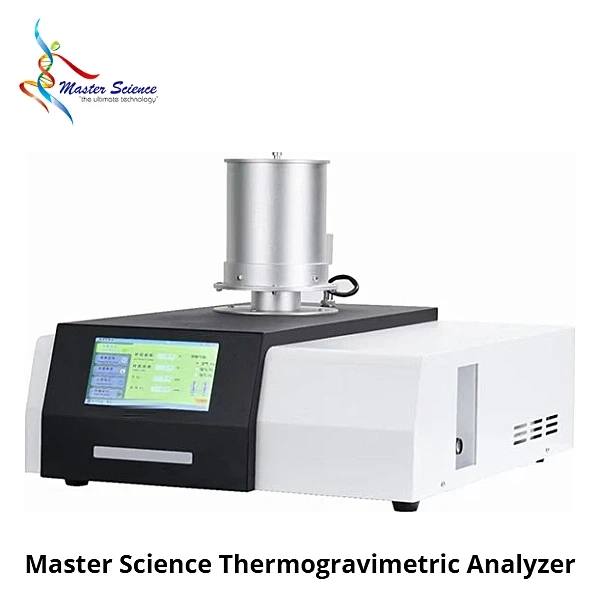
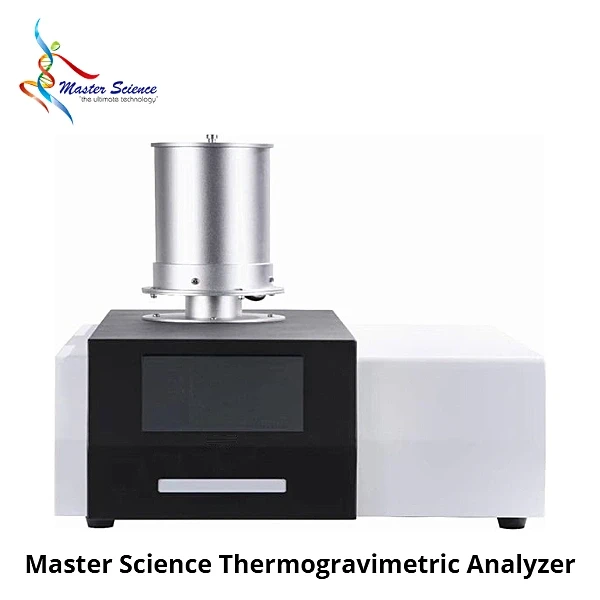
Thermogravimetric Analyzer - TGA Thermal Gravimetric Instrument - RT to 1150°C, 0.1-100°C/min
Inhouse product

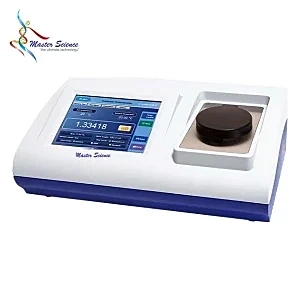

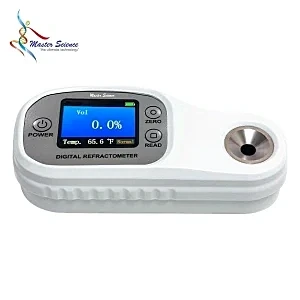
The Master Science Thermogravimetric Analyzer tracks the mass of a sample while it is heated, held at temperature or cooled, giving TG and DTG curves for material studies. This version covers room temperature to 1150°C with heating rates between 0.1 and 100°C/min.
The furnace of the Master Science Thermogravimetric Analyzer is double insulated for better linearity, and a tail gas outlet lets the instrument be coupled to infrared equipment. Operation is from the 7-inch touch screen or from a computer through two-way USB communication.
Technical Specifications
Specifications of the Master Science Thermogravimetric Analyzer are listed below.
- Brand: Master Science
- Model Number: MSTGA-1150SWISS
- SKU: MSTGA-1150SWISS
- Temperature Range: RT to 1150°C
- Temperature Resolution: 0.01°C
- Temperature Fluctuation: ±0.01°C
- Heating Rate: 0.1 to 100°C/min
- Temperature Control Mode: PID control: heating, constant temperature and cooling
- Program Control: Multi-stage temperature rise and constant temperature; five sections can be set at once
- Balance Measuring Range: Maximum 3 g, with an option to expand to 50 g
- Precision: 0.01 mg
- Balance Resolution: 0.1 μg
- Constant Temperature Time: Arbitrary setting
- Display: 7-inch large-screen LCD (full-colour touch screen)
- Atmosphere Device: Built-in gas flow meter and gas flow control device
- Gas Path: Multi-stage automatic switching without manual adjustment
- Software: Automatic TG curve recording and data processing; TG/DTG, mass and percentage coordinates switchable; automatic scaling of the plot
- Data Interface: Standard USB interface with dedicated software
- Curve Scanning: Heating scan and cooling scan
- Test Maps: Five test maps can be opened together for comparison
- Cooling Time: ≤15 min from 1000°C to room temperature, with air cooling device
- Crucible Type: Ceramic crucible, aluminium crucible
- Power Supply: AC 220/110 V, 50/60 Hz
- External Dimensions: 531 x 463.5 x 416 mm
- Net Weight: 26 kg
Key Benefits
- Covers most polymer and inorganic work:: the Master Science Thermogravimetric Analyzer reaches 1150°C.
- Fine mass detection:: 0.1 μg balance resolution.
- Stable furnace temperature:: fluctuation of ±0.01°C.
- Ready for coupled analysis:: tail gas output port.
- Flexible methods:: five-section programs of ramps and holds.
To record heat flow and mass change in one run, see the Master Science synchronous thermal analyzer.
Product Features
Structure
- Furnace heating element of nickel-chromium wire in double-row winding, reducing interference and improving high-temperature resistance
- Alloy-wire tray sensor resistant to high temperature, oxidation and corrosion
- Optional water circulation cooling power supply, with the cooling part separated from the main unit to limit heat and vibration reaching the micro-thermal balance
- Tail gas output port makes it easy to connect infrared equipment
- Main unit isolates the chassis and micro-thermal balance from furnace heat
- Double-insulated furnace body for better linearity
- Five test maps can be opened together for comparative analysis
- Gas path supports multi-stage automatic switching without manual adjustment
Controller and Software
- ARM processor for fast sampling and processing
- Four-way sampling AD collects the TG signal and temperature signal
- PID heating control with multi-stage heating and constant temperature
- Two-way USB communication allows parameter setting, start and stop from the computer
- 7-inch full-colour 24-bit touch screen; TG calibration can be done on the screen
Applications
The Master Science Thermogravimetric Analyzer supports research and development, process optimisation and quality control for:
- Plastics and rubber
- Coatings
- Pharmaceuticals
- Catalysts
- Inorganic and metal materials
- Composite materials
Standard Accessories Included
- Standard substance
Optional Accessories
- Water circulation cooling power supply
Common Problems This Analyzer Solves
Thermogravimetric work is easily disturbed; this design tackles the usual causes.
- Furnace heat disturbs the balance:: the main unit isolates the weighing system from the furnace.
- Evolved gases cannot be studied further:: a tail gas port allows connection to infrared equipment.
- Manual gas changes interrupt a run:: the gas path switches automatically in programmed stages.
- Long waits between samples:: air cooling brings the furnace back down quickly.
Frequently Bought Products
"Explore Master Science, your trusted provider of high-quality laboratory equipment and innovative solutions. Discover our extensive range of analytical instruments and exceptional customer support, all dedicated to empowering scientific discovery across industries. Join us in advancing research and setting new standards globally."


